

You have a room that needs paint and a choice to make: grab a roller yourself or bring in a crew. Both can be the right answer. It depends on the room, the age of your home, your budget, and how much of your weekend you want to spend on a ladder.
This guide walks through when do-it-yourself painting makes sense, what it really costs once you add up materials and time, and where a professional crew earns its fee. We serve homeowners across MetroWest and Worcester County, from Worcester and Shrewsbury to Framingham and Marlborough, so we see both the easy jobs and the ones that go sideways fast.
When DIY interior painting makes sense
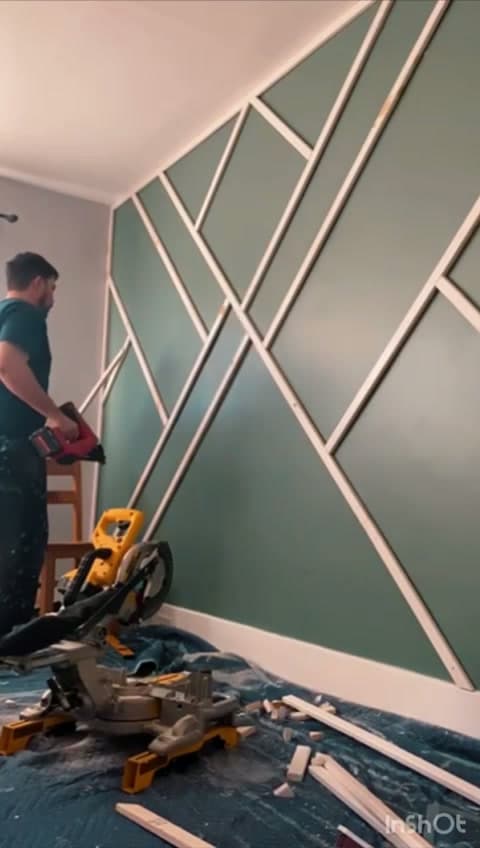
Some jobs are perfectly reasonable to handle yourself. A small bedroom, a home office, a powder room, or a hallway with standard eight-foot walls is a great candidate for a weekend project. If the surfaces are in good shape, the color change is not dramatic, and you can reach everything from a short step stool, you can get a clean result with patience and the right supplies.
DIY also makes sense when the budget is tight and the room is low-stakes. Painting a guest room a soft neutral before you list your home, or refreshing a kid's room that will change again in a few years, does not always call for a crew. And if you genuinely enjoy the work, the taping, the cutting-in, the satisfaction of a finished wall, that counts for something too.
The key is honest self-assessment. Are the walls smooth and sound? Is the ceiling height normal? Do you have a full free weekend and no pressure to rush? If yes, a single room is well within reach for most homeowners.
The true cost of doing it yourself
The sticker price of a couple of gallons of paint hides the real total. A quality interior paint, drop cloths, painter's tape, a roller frame and covers, a good brush, a tray, sandpaper, spackle, and a primer if you are covering a bold color all add up. Buy the cheap versions and you often pay again in extra coats and touch-ups.
Then there is the gear you may not own. A sturdy ladder, an extension pole, and a respirator for sanding are real costs if you have to buy or rent them. Exact prices vary by room size and condition, so the honest answer is that a free estimate will give you a clearer number than any online average.
The biggest hidden cost is your time. A single room that a two-person crew finishes in a day can stretch across a full weekend for a first-timer once you count prep, drying between coats, and cleanup. And mistakes have a price: drips, uneven coverage, tape bleed, and roller marks can mean redoing sections, which burns both paint and patience.
Where a professional crew adds real value
Prep is where most of the quality lives, and it is the part homeowners tend to shortchange. Filling nail holes, sanding, caulking gaps, cleaning surfaces, and priming stains take time and know-how. A professional crew does this every day, so the finish looks even and lasts, not just on day one but for years.
Cutting-in, the crisp line where wall meets ceiling or trim, is a skill built over hundreds of rooms. So is keeping a wet edge on a large wall so you do not see lap marks. Pros also move faster, which matters when you want your living room back in a day instead of a week. We use Benjamin Moore paints, and matching the right product to the surface is part of what makes the result hold up.
There is also the peace-of-mind side. George's Painting is family-owned and fully insured, so if something goes wrong, you are not on the hook. That protection is easy to overlook until a ladder or a spill makes it matter.
Tall walls, stairwells, and cabinets change the math
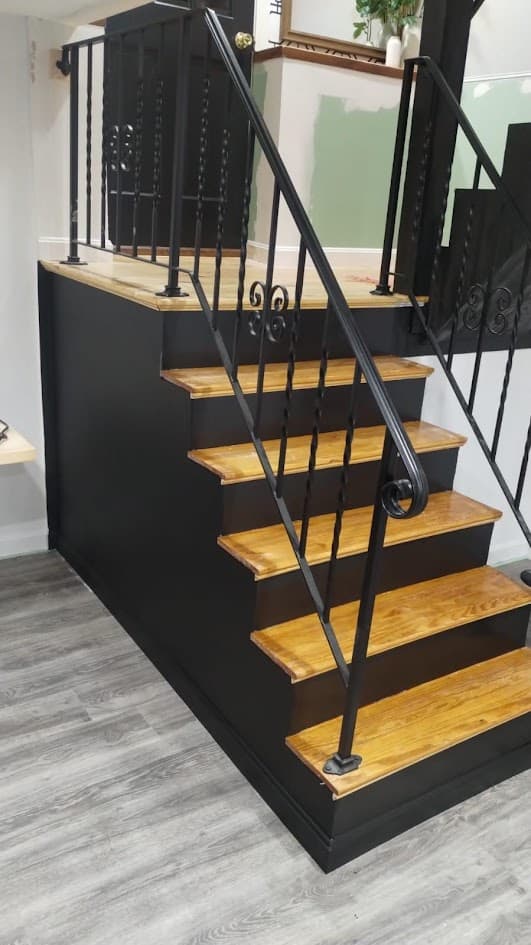
The moment a job goes vertical, the calculus shifts. High ceilings, open stairwells, and vaulted spaces mean working from tall ladders or scaffolding, often over stairs where footing is uneven. This is not a place to improvise. A fall from a ladder is one of the most common home-project injuries, and no paint job is worth an emergency room visit.
Cabinet refinishing is its own specialty. Getting a smooth, durable finish on kitchen cabinets means proper degreasing, sanding, priming, and often spraying, with careful attention to how doors and boxes cure. A brush-and-roller weekend attempt on cabinets usually shows every stroke. Trim, molding, and detailed woodwork reward the same patient hand.
If your project involves any of these, the DIY savings shrink quickly once you factor in rented equipment, the risk, and the likelihood of a redo. This is the sweet spot where hiring a pro tends to pay off, whether you are in Northborough, Westborough, or Hopkinton.
Older MA homes and the lead paint question
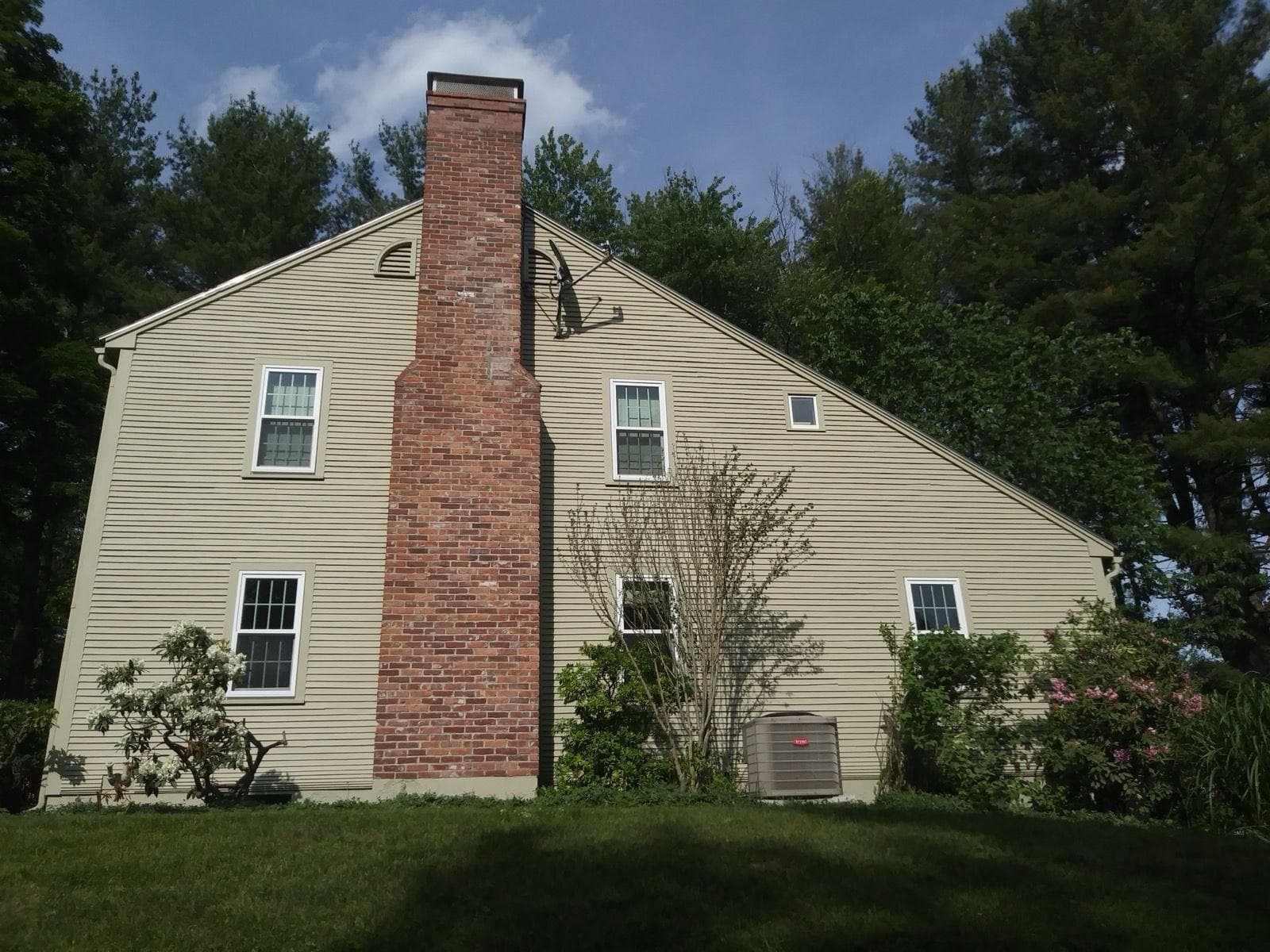
Worcester County and MetroWest are full of beautiful older homes, and that history comes with a caution. Homes built before 1978 may contain lead-based paint under newer layers. Sanding, scraping, or disturbing that old paint can release lead dust, which is a serious health hazard, especially for children and pregnant women.
This is not a scare tactic, it is a reason to be careful. If your home predates 1978, do not aggressively sand or scrape without understanding what is underneath. Lead-safe work practices exist for a reason, and disturbing old paint the wrong way can turn a simple refresh into a cleanup problem.
When there is any chance of lead, having a professional who follows lead-safe practices handle the prep is the sensible route. It protects your household and takes the guesswork out of a job that carries real risk if done casually.
How to decide: a simple gut check
Run your project through a few honest questions. Is it a single room with normal ceilings and sound walls? Do you have the time, the tools, and the patience? Is your home newer than 1978, or at least free of old paint you would need to disturb? If you answered yes across the board, a DIY weekend can absolutely work.
Lean toward hiring a pro when the room is highly visible, the ceilings are tall, stairwells or cabinets are involved, your home is older and may have lead paint, or you simply want it done quickly and correctly the first time. The value is not only the finished look, it is the prep, the speed, the safety, and the fact that an insured crew stands behind the work.
Not sure which side of the line your project falls on? That is exactly what a free estimate is for. We can look at the space, talk through the options, and give you a straight answer, even if that answer is that you can handle this one yourself.