

If you own a home in Worcester, Shrewsbury, or anywhere across MetroWest, one of the first questions on your mind before a repaint is simple: what is this going to cost? It is a fair question, and the honest answer is that exterior house painting is not a flat, one-size-fits-all number. The price depends on your home, your siding, and the shape it is in.
This guide walks through exactly what drives the cost of painting a house exterior in Massachusetts in 2026. We cover the factors that move the price up or down, typical market ranges by home size, and why prep work matters so much here in New England. Where we mention dollar figures, these are general market ranges to help you plan, not fixed prices. The only way to get a real number for your home is a free on-site estimate.
George's Painting is a family-owned company based in Worcester, serving homeowners throughout Worcester County and MetroWest. We are fully insured, we use Benjamin Moore paints, and we offer free estimates. Here is what actually shapes the cost.
What Actually Drives Exterior Painting Cost
Every exterior painting quote comes down to a handful of factors. Understanding them helps you see why two houses on the same street can carry very different price tags, and it helps you make sense of any estimate you receive.
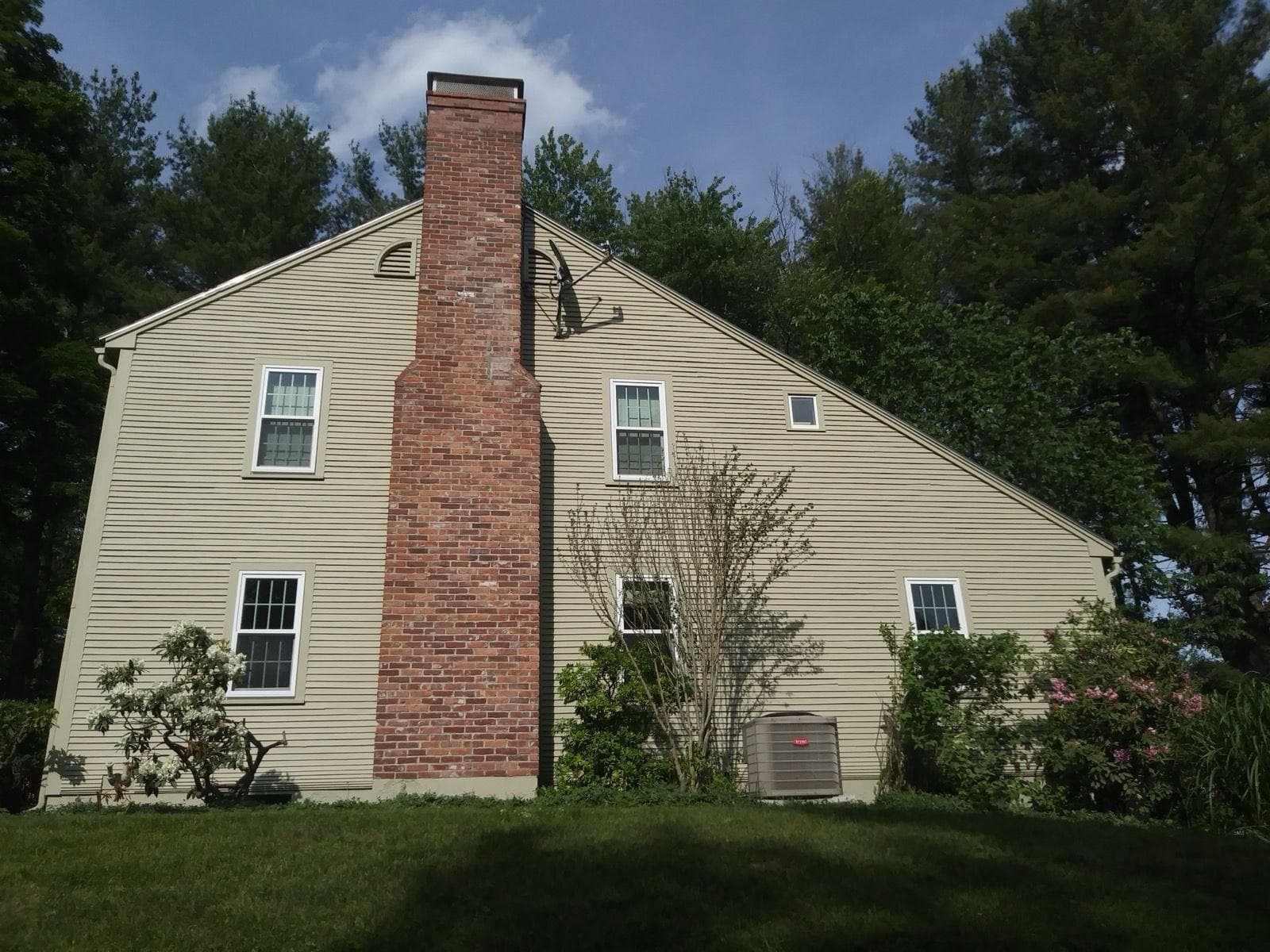
The biggest drivers are the size of your home and how many stories it has, the type and condition of your siding, how much prep the surface needs, the amount of trim and detail work, the quality of paint you choose, and how easy or hard the house is to reach. A compact single-story ranch with clean vinyl siding sits at one end of the range. A three-story Victorian with peeling cedar clapboard, decorative trim, and steep roof lines sits at the other. Most homes fall somewhere in between.
None of these factors work in isolation. A larger home with tough access and heavy prep can multiply quickly, while a mid-sized home in good condition stays reasonable. That is why a walkthrough matters so much more than a phone guess.
Home Size, Stories, and Access
Square footage of wall surface is the starting point for any estimate. More siding means more paint and more labor hours. But the flat number is only part of the story. Height and access change the job just as much.
A two-story or three-story home requires taller ladders, scaffolding, or lifts, plus extra time to work safely at height. Homes set on a slope, surrounded by tight landscaping, or hemmed in by fences and decks all take longer to set up and move around. If a crew has to reposition equipment constantly to reach a gable or a dormer, that time shows up in the price.
This is one reason a home in a dense Worcester neighborhood can price differently than a similar-sized home on an open lot in Northborough or Grafton. The wall area might match, but the working conditions do not.
Siding Material and Condition
The material on your walls has a real effect on cost, because different surfaces need different prep and hold paint differently. In this part of Massachusetts you see a lot of wood clapboard, cedar shingle, vinyl, aluminum, and fiber cement.
Wood clapboard and cedar shingle are common on older New England homes and they reward good prep, but they often need scraping, spot priming, and sometimes minor repair before paint goes on. Vinyl and aluminum are usually faster to prep when they are in good shape, though they call for the right paint that flexes and bonds properly. Fiber cement holds paint well and tends to be straightforward.
Condition matters even more than material. Siding with peeling, chalking, mildew, or wood rot needs more attention before a brush ever touches it. Two homes with identical cedar shingle can price very differently if one is weathered and the other was well maintained. This is where an in-person look is essential, because condition is hard to judge from the curb.
Why Prep and Power Washing Matter So Much Here
It is tempting to see prep as the part you could skip to save money. In New England, that is exactly backward. Our climate is hard on exterior paint, and prep is what makes the finish last.
Massachusetts winters bring freeze-thaw cycles that work at any weak spot in a coating. Summers bring heat and humidity that encourage mildew, especially on shaded north-facing walls and under tree cover. Coastal and inland moisture both play a role. Paint applied over dirt, chalk, or loose old coating will fail early no matter how good the paint is, which means paying again far sooner than you should.
That is why proper prep, power washing to remove grime and mildew, scraping loose paint, spot priming bare wood, and caulking gaps, is not an upsell. It is the foundation of a job that holds up through Massachusetts seasons. A lower quote that skips these steps is often more expensive over time, because the coating does not last.
Paint Quality, Trim, and Number of Coats
The paint itself is a cost factor, and it is one worth thinking about carefully. Premium exterior paints cost more per gallon but offer better adhesion, color retention, and resistance to fading and mildew. Over the life of the finish, that difference usually pays for itself in years of added durability. George's Painting uses Benjamin Moore paints for this reason.
Trim and detail work add labor. Window casings, corner boards, fascia, soffits, porch railings, shutters, and doors all take careful cutting in by hand. A home with lots of architectural detail simply takes longer than a plain box, and if you want the trim in a contrasting color, that adds steps too.
Coats matter as well. Most exteriors are painted with two coats for full coverage and durability, which is the standard we recommend for a lasting result. A single coat may be enough when you are refreshing the same color over a sound surface, but a color change, bare or repaired areas, or a weathered surface will call for two coats. Fewer coats can lower the price short term, but they often shorten how long the finish lasts.
Typical Market Ranges by Home Size in 2026
With all of that said, homeowners still want a ballpark before they schedule an estimate. Here are general Massachusetts market ranges for a full exterior repaint in 2026. Treat these as a rough guide for planning, not a quote. Your actual number depends on the factors above.
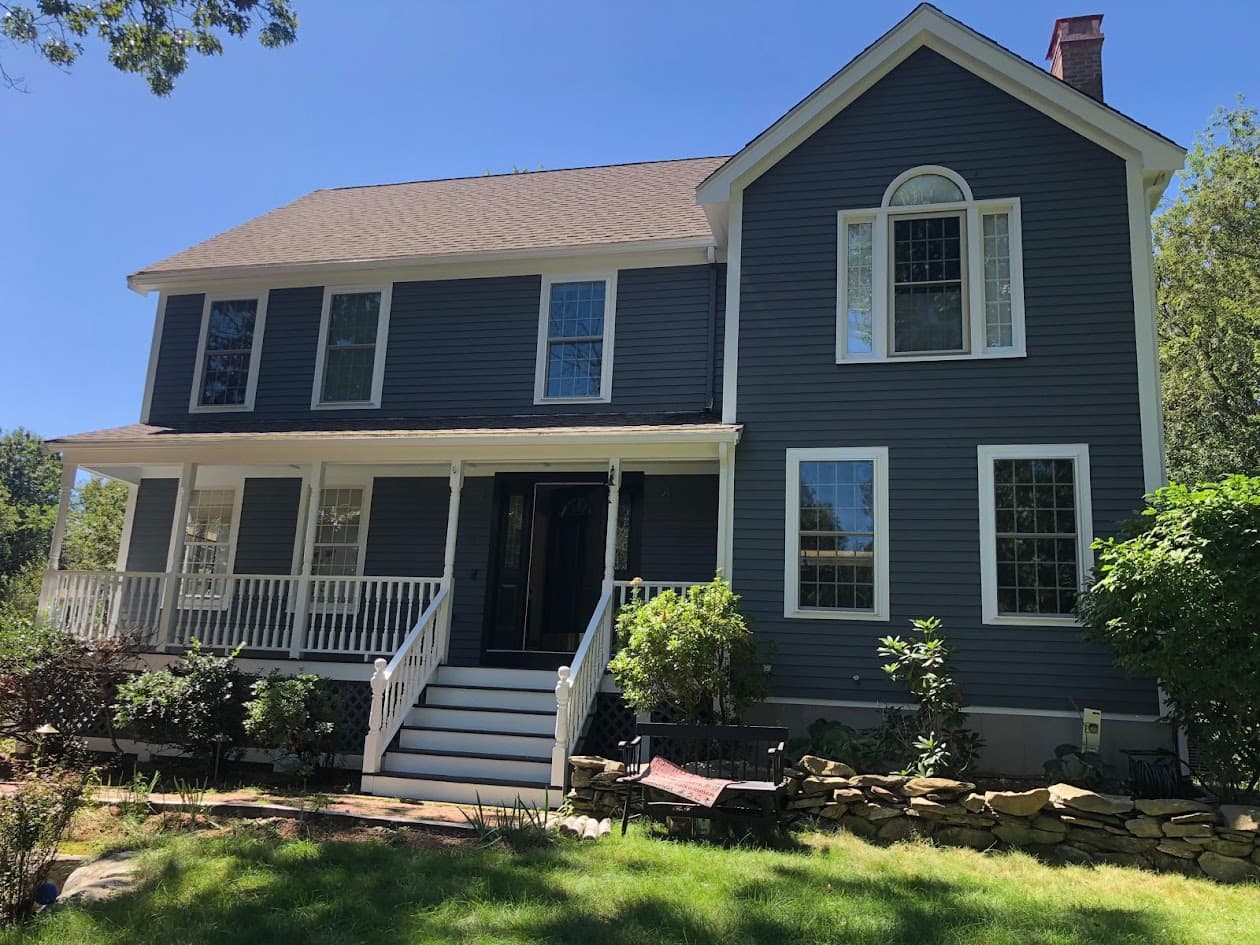
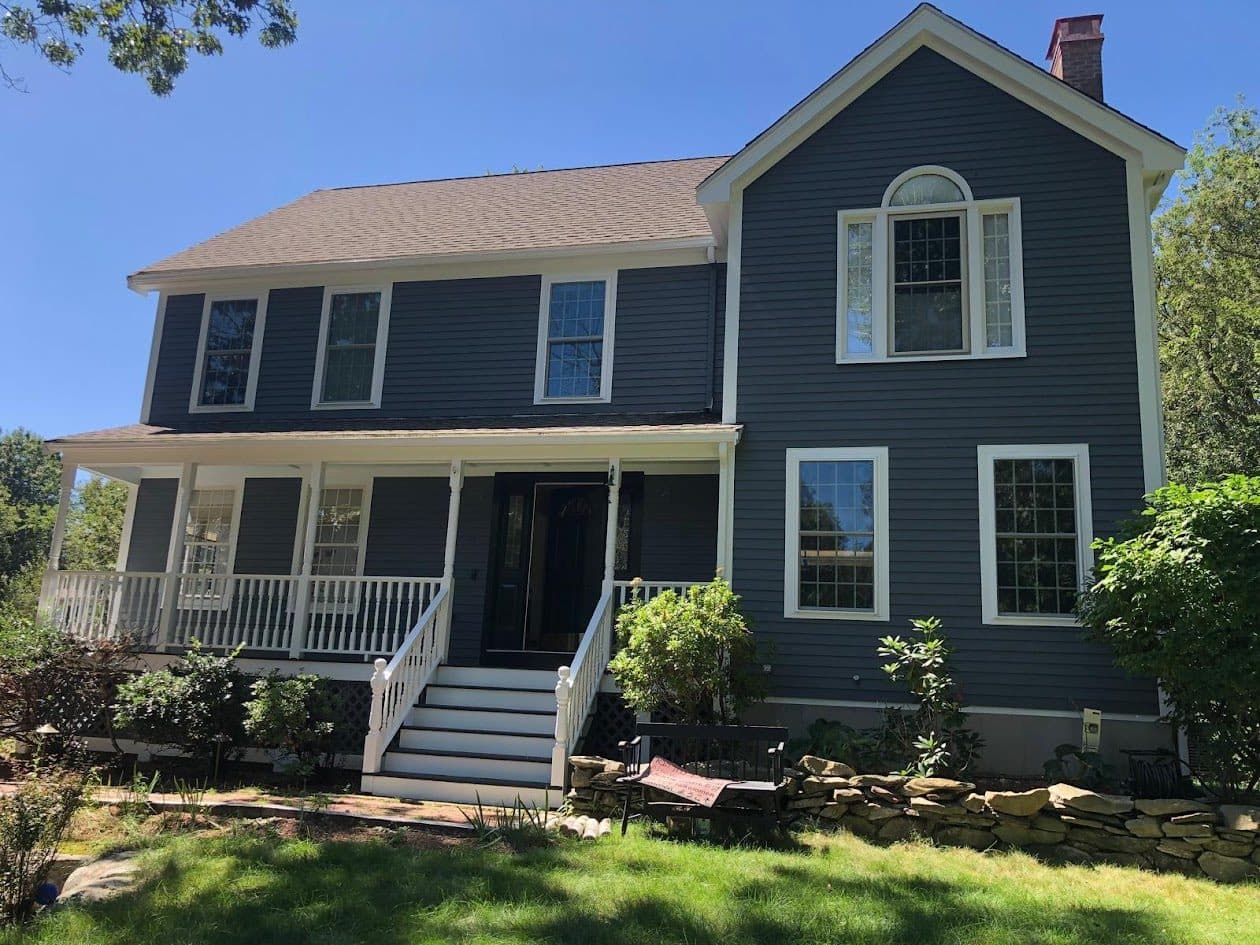
As a rough guide, most smaller single-story homes and ranches typically land somewhere in the range of 4,000 to 8,000 dollars. Most mid-sized two-story colonials and capes typically fall around 7,000 to 14,000 dollars. Larger two-story and three-story homes, or homes with heavy prep, extensive trim, or difficult access, commonly run 13,000 dollars and up. Homes needing significant carpentry repair, full scraping, or specialty finishes can sit above these ranges.
These figures move with the condition of your siding, the paint you choose, and how much prep the job needs. A home that only needs a light wash and a single refresh coat will sit toward the low end, while one that needs extensive scraping and priming will sit higher. The only way to know where your home lands is to have someone walk it with you.
How to Get an Accurate Free Estimate
A trustworthy exterior estimate comes from someone looking at your actual house, not a square footage guess over the phone. When George's Painting comes out, we look at your siding type and condition, measure the surfaces, note the trim and detail work, check for any rot or repair needs, and factor in access and height. Then we put it in writing so you can see what is included.
A clear estimate should spell out the scope: what surfaces are being painted, how much prep is included, how many coats, which products, and what is not covered. That transparency lets you compare quotes fairly and avoid surprises. If a number seems unusually low, it is worth asking what prep and how many coats it includes, because that is usually where the difference hides.
If you are planning an exterior repaint in Worcester, Shrewsbury, Westborough, or anywhere across MetroWest and Worcester County, we are glad to come take a look. The estimate is free, there is no pressure, and you will leave the conversation knowing exactly what your project involves and what it will cost.