

One of the most common questions we hear from homeowners across MetroWest and Worcester County is a simple one: how often should you repaint your house? The honest answer is that it depends on what you are painting, what it is made of, and how much New England weather it takes each year. A south-facing exterior wall in Shrewsbury lives a very different life than a spare bedroom ceiling in Northborough.
This guide breaks down realistic repaint intervals for both the outside and inside of your home, explains how our climate shortens the life of exterior paint, and points out the early signs that tell you it is time to plan a project. George's Painting is a family-owned, fully insured company, and we are happy to walk any property in the Worcester area and give you a free estimate so you are not guessing.
Exterior Repaint Intervals by Siding Material
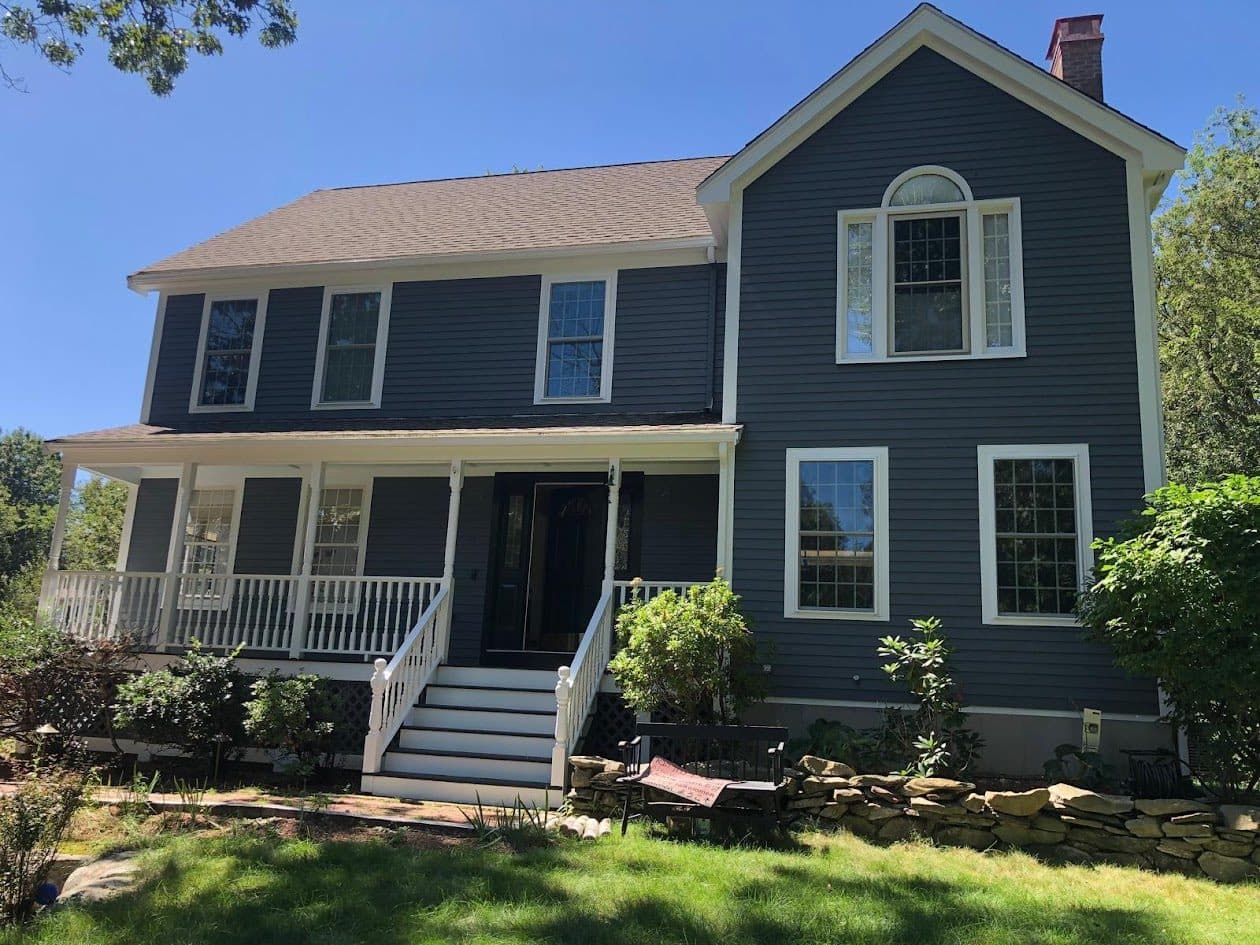
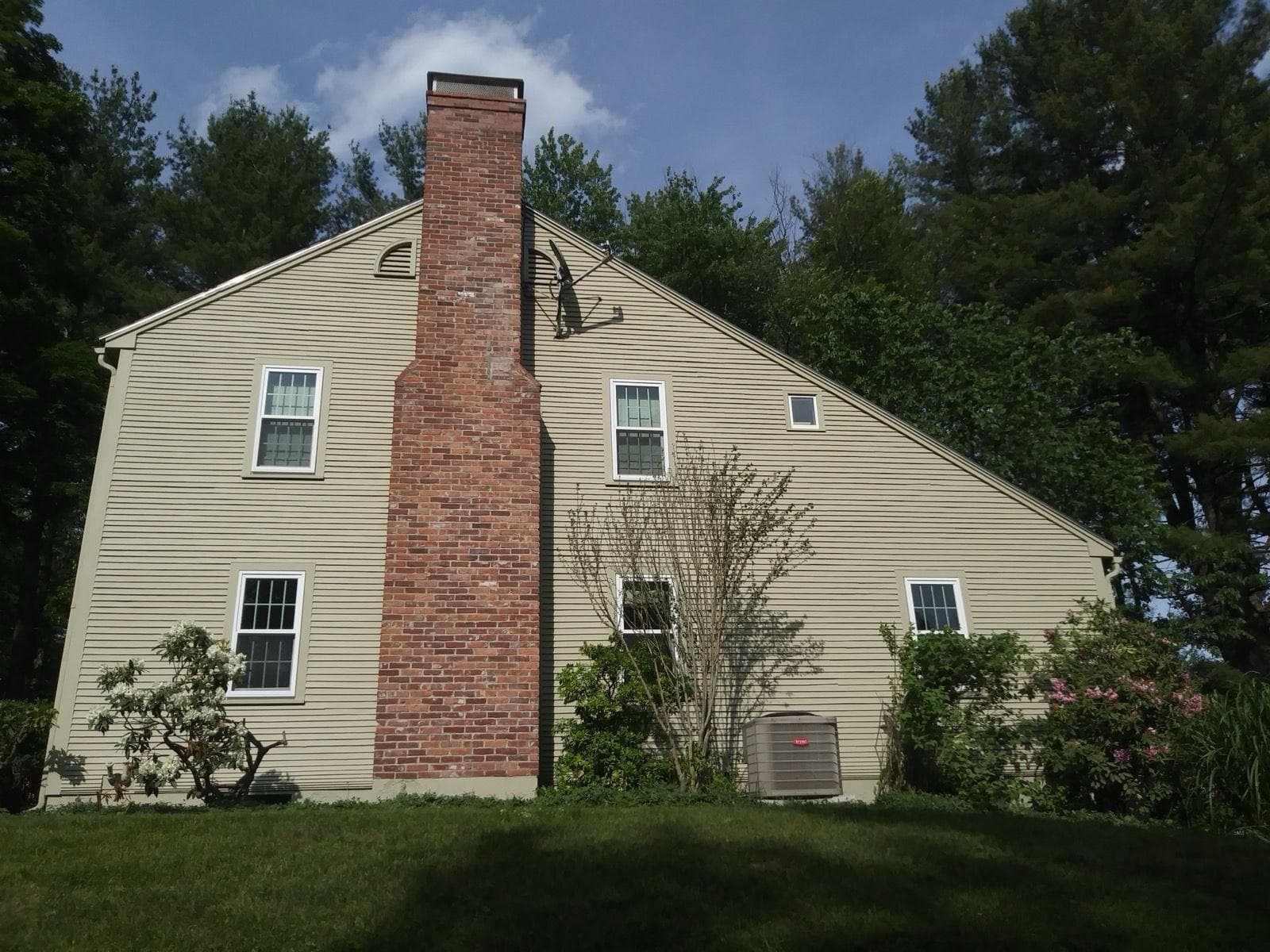
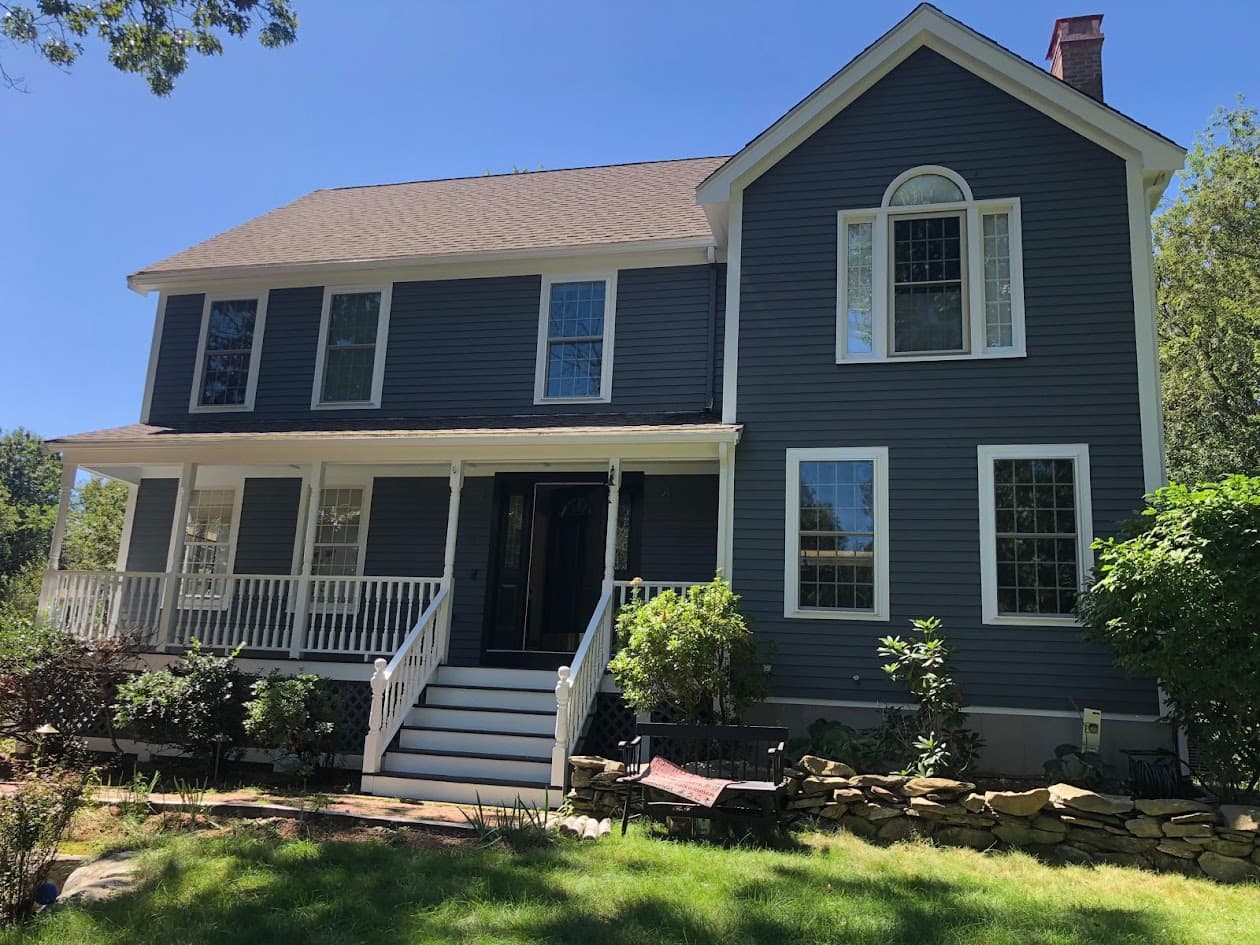
The material on the outside of your house is the biggest factor in how long paint lasts. As a general rule of thumb, most homes in our area need exterior repainting somewhere in the range of every 5 to 10 years, but that window shifts depending on the surface.
Wood siding and wood clapboard, which are common on older colonials and Capes throughout Worcester County, tend to need repainting on the shorter end, roughly every 5 to 7 years. Wood expands and contracts with heat and humidity, and it is more prone to cracking and peeling than newer materials.
Fiber cement siding holds paint very well and often goes 8 to 12 years between repaints because it is dimensionally stable and resists moisture. Vinyl siding is a little different: it is usually not painted from the factory, but when it is painted it can hold up in the 7 to 10 year range if the right products and prep are used. Stucco and masonry can also stretch toward the longer end when properly coated.
These numbers are general ranges, not promises. Sun exposure, color choice, and the condition of the previous paint job all move the timeline. The most reliable way to know where your home stands is to have it looked at in person, which is exactly what our free estimate visit is for.
How New England Weather Shortens Exterior Paint Life
Massachusetts gives paint a hard workout. We get hot, humid summers, cold winters with snow and ice, and dramatic swings between the two, sometimes within the same week. Every time the temperature crosses back and forth across freezing, siding and trim expand and contract, and that constant movement stresses the paint film until it starts to crack, peel, or lift.
Moisture is the other big enemy. Snow that piles against a foundation, ice dams along the roofline, wind-driven rain, and long stretches of humidity all push water toward your siding. Where water gets behind the paint, you see blistering and peeling. North-facing and shaded walls also stay damp longer and can grow mildew, while south and west walls take the brunt of UV from the sun, which fades color and breaks down the coating faster.
Because of all this, a home in Worcester or Marlborough will often need attention a year or two sooner than the same home would in a milder climate. Building your repaint plan around New England conditions, rather than a national average, keeps small problems from turning into rotted wood and bigger repair bills.
Interior Repaint Intervals Room by Room
Inside the house, paint is not fighting the weather, so it usually lasts longer. The wear that matters indoors comes from traffic, moisture, cleaning, and how hard a room gets used. That means different rooms are on very different schedules.
High-traffic spaces take the most punishment. Hallways, entryways, mudrooms, kitchens, and children's rooms tend to show scuffs, fingerprints, and marks first, and often want a refresh every 3 to 5 years. Kitchens and bathrooms deal with grease, steam, and frequent wiping, so their finishes wear faster and benefit from durable, washable paint.
Bedrooms, living rooms, and dining rooms are gentler on paint and commonly go 5 to 7 years or a bit longer between coats. Ceilings, which almost nobody touches or cleans, can last the longest of all, often around 10 years, though kitchen and bathroom ceilings may need attention sooner because of steam and cooking residue.
Color and lifestyle also play a role. Bold or very dark colors, homes with pets or young kids, and rooms that get a lot of natural light may all move up the timeline. If you are refreshing one room, it is often a good moment to look at the adjacent spaces too so the whole area feels consistent.
Signs It Is Time to Repaint Sooner
You do not have to wait for a calendar date. Your house will tell you when it is ready, and catching the signs early usually saves money because there is less repair work involved.
On the exterior, watch for peeling, cracking, or flaking paint, chalky residue that rubs off on your hand, faded or uneven color, and gaps in caulk around windows and doors. Bare wood showing through, soft or spongy trim, and mildew stains are all signals that the coating is no longer protecting the surface and moisture may be getting in.
Inside, the cues are usually cosmetic but still worth acting on: scuff marks and stains that will not wash off, nail pops and hairline cracks, yellowing on ceilings or near heat sources, and colors that simply feel dated. Peeling paint in a bathroom or around a window can also point to a moisture issue worth checking.
If you are seeing several of these at once, it is a good time to book a free estimate. We can tell you whether you need a full repaint or a smaller, targeted fix, and either way you get a clear plan instead of a surprise.
How Quality Paint and Good Prep Extend the Interval
Not every paint job lasts the same amount of time, and the difference usually comes down to two things: the products used and the preparation underneath. A rushed job over a poorly prepped surface can fail in a couple of years, while a careful one can reach or beat the top of the ranges above.
We use Benjamin Moore paints because they hold color and resist the fading, cracking, and moisture problems that our climate throws at a home. A quality coating costs a little more up front, but stretching your repaint from, say, 6 years to 9 or 10 years often makes it the more economical choice over time.
Prep is where lasting results are truly won. Washing away dirt and mildew, scraping and sanding loose paint, priming bare wood and stains, and caulking gaps around trim and windows all give the new paint a sound surface to bond to. Skipping these steps is the single most common reason a paint job fails early. When you get an estimate from us, the prep work is part of the plan we walk you through, not an afterthought.
Trim, Doors, and Other Details
Trim and doors often follow their own schedule, separate from the main body of the house. Because these surfaces stick out, catch more sun and rain, and get touched and bumped constantly, they usually wear faster than a broad wall.
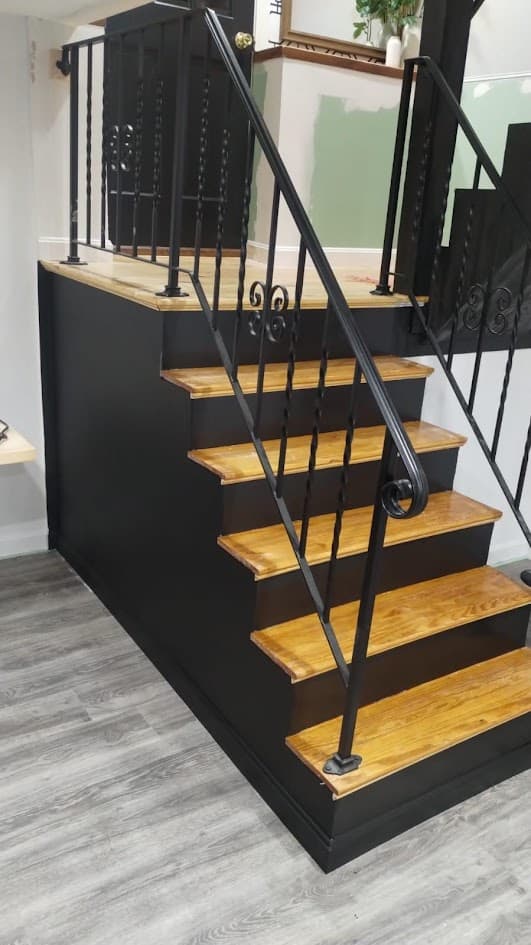
Exterior trim, fascia, window casings, railings, and front doors take a beating in New England and may need repainting sooner than the siding around them. A crisp, freshly painted front door and clean trim also do a lot for curb appeal, which matters if you are thinking about selling a home in Westborough, Natick, or anywhere else in MetroWest.
Indoors, baseboards, door frames, window trim, and interior doors collect scuffs, cleaning marks, and everyday hand contact. Refreshing just the trim and doors can make a whole room feel updated without repainting every wall. Cabinet refinishing is a related option in kitchens, where new color and a durable finish can transform the space for far less than replacement.
If you are not sure whether you need a full repaint or just a trim and door refresh, that is a perfect question for a free estimate. We will look at everything together and give you honest options.