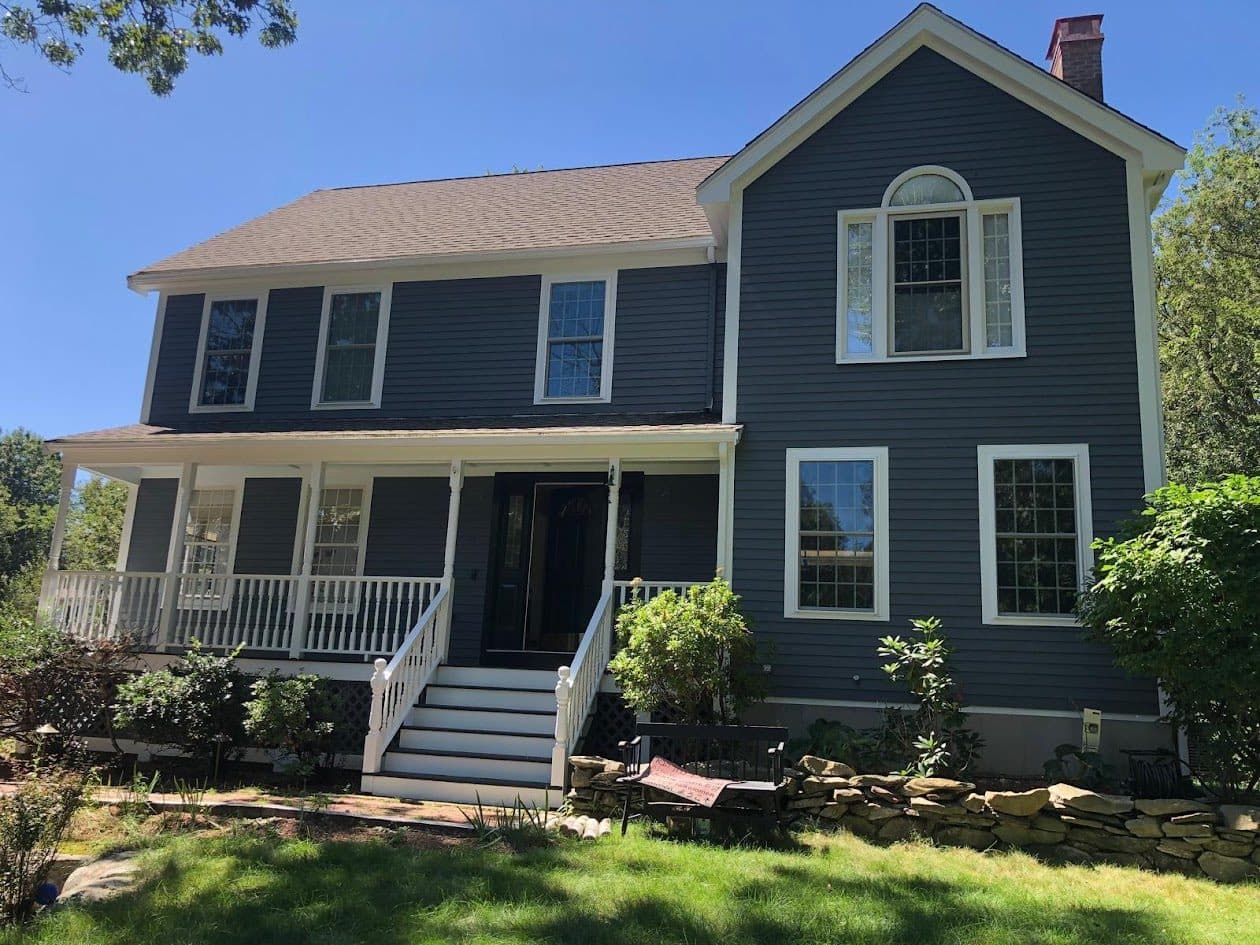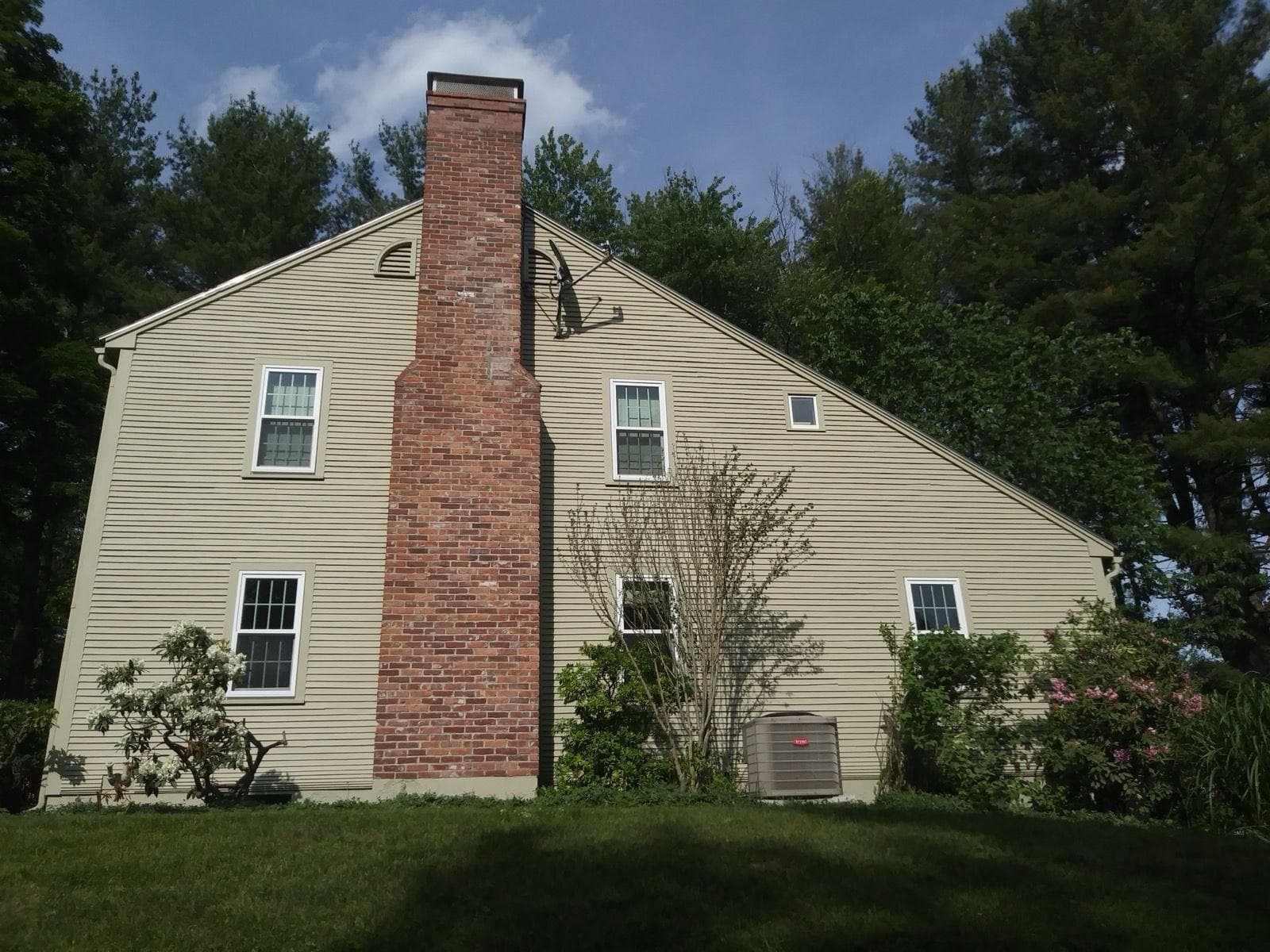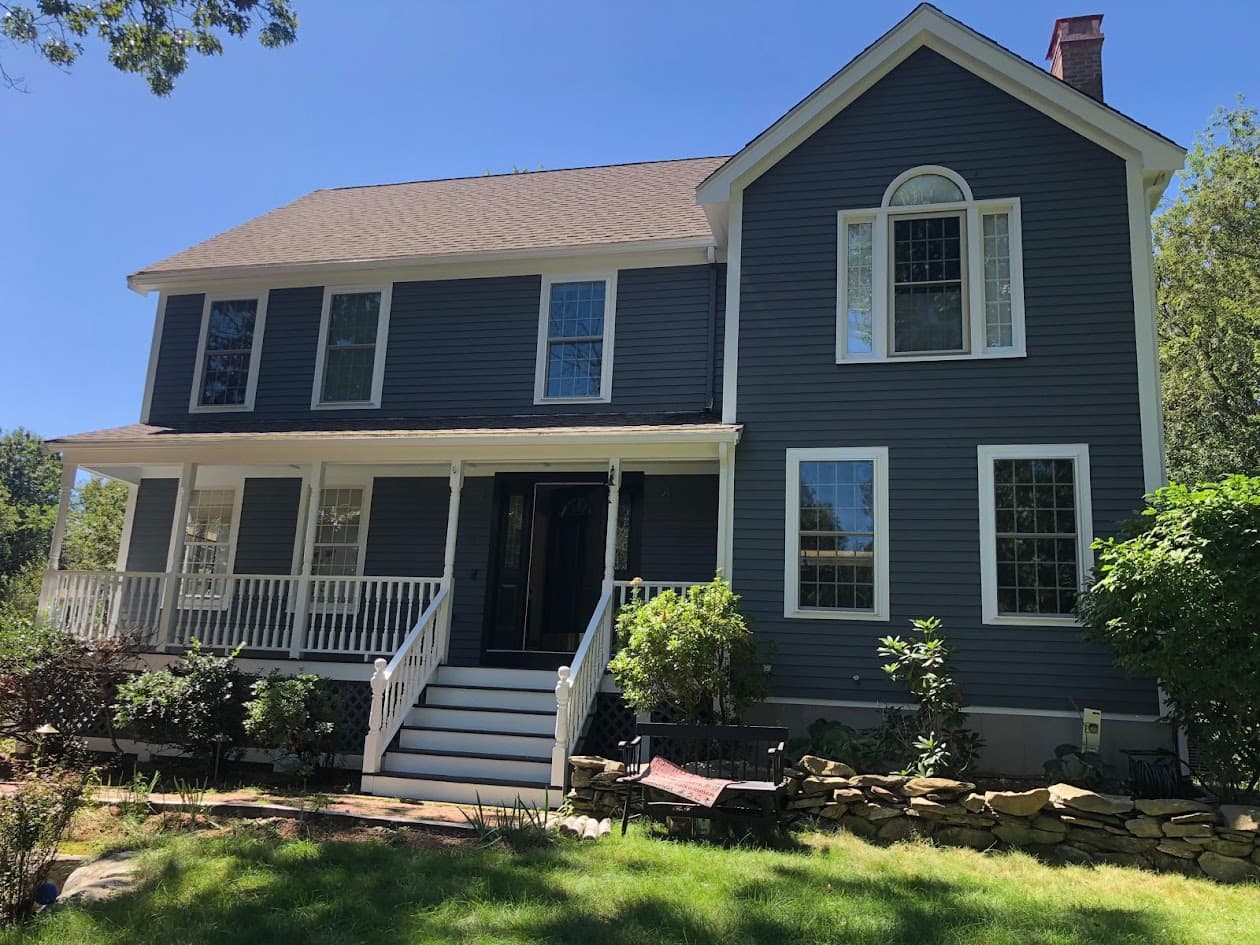


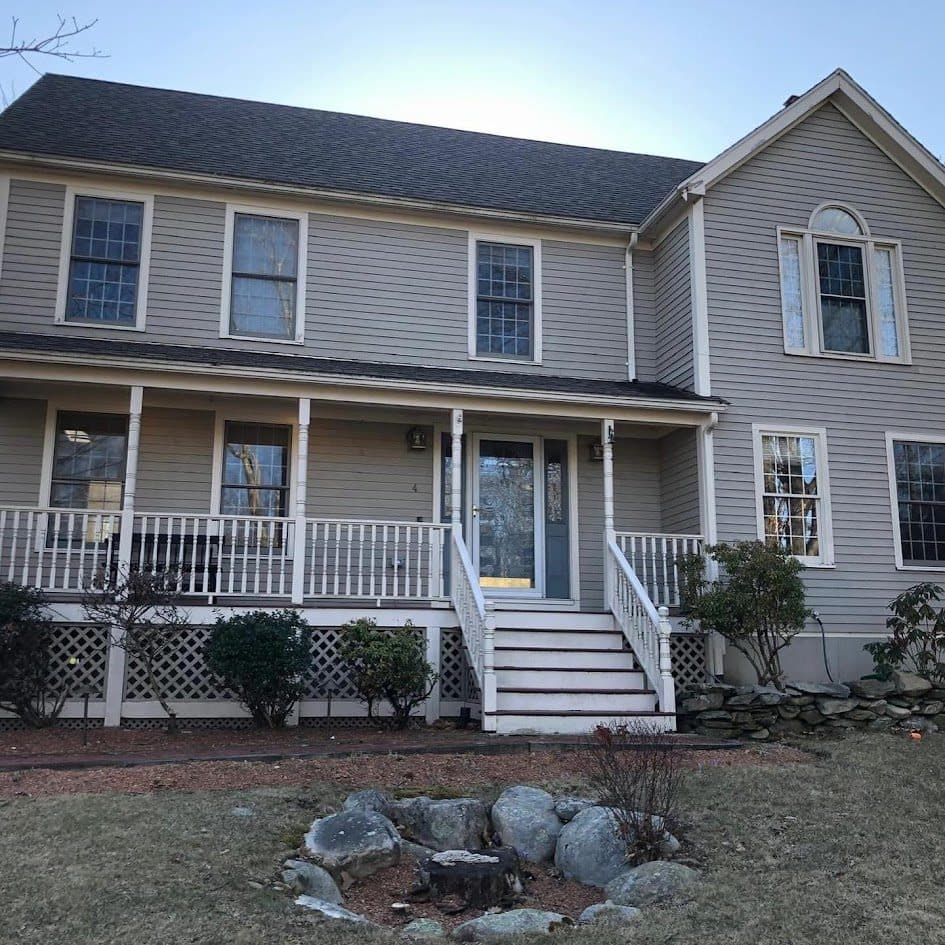
A fresh coat of exterior paint should look great for years, but in New England it does not always work out that way. Between humid summers, driving autumn rain, freeze and thaw cycles all winter, and the swing from single digits in January to the high 80s in July, the outside of your home takes a beating that homeowners in milder climates never think about. That constant expansion and contraction is what pulls paint loose, opens up cracks, and lets water sneak behind the surface.
The good news is that a durable exterior finish is not luck. It comes from a handful of choices made before the first brushstroke and a little upkeep afterward. As a family-owned painting company serving Worcester and the surrounding MetroWest and Worcester County towns like Shrewsbury and Westborough, we see the same avoidable problems again and again. Here is what actually makes exterior paint last in our climate, and how routine care can stretch the years between full repaints.
Prep Is Ninety Percent of the Job
Paint does not fail because of the paint nearly as often as it fails because of what was underneath it. Peeling, blistering, and early fading almost always trace back to a surface that was not ready. Loose and flaking old paint has to be scraped and sanded, glossy areas need to be dulled so new coats can grip, and bare wood needs a proper primer before any color goes on. Skipping these steps is how a job that should last a decade starts to peel in two winters.
In our climate, clean and dry matter even more than usual. Painting over trapped moisture in the shoulder seasons is a common mistake, because the water has nowhere to go once it is sealed under a fresh coat. When the first freeze hits, that moisture expands and lifts the film. A careful crew reads the surface, the forecast, and the humidity before committing to a coat. If you want a professional eye on the condition of your siding and trim, we offer free estimates and can tell you what shape the surface is really in.
Quality Paint Earns Its Price on New England Homes
There is a real difference between a builder-grade coating and a premium exterior product, and that difference shows up fastest in a climate like ours. Better paints hold their color longer against strong summer sun, flex more with temperature swings so they crack less, and shed water and resist mildew more effectively. Over the life of the finish, the higher-quality product often costs less per year because you repaint far less often.
We use Benjamin Moore paints on exterior work because they perform well through the wet, cold, and sun-heavy conditions that Worcester County homes see across the seasons. The right product still needs the right prep and application to reach its full lifespan, so think of quality paint as one leg of the stool rather than the whole story. Color choice matters too, since darker shades absorb more heat and can wear differently than lighter tones on sun-facing walls.
Why Two Coats Are Not Optional
One coat can look finished on the day it dries, but it rarely holds up. A single coat leaves thin spots, uneven color, and less overall film thickness to stand between your siding and the weather. Two full coats build the layer of protection that actually blocks moisture and ultraviolet light, and they give you the even, rich finish you are paying for.
This is one of the quiet ways a bargain quote can cost you later. If a price looks surprisingly low, it is worth asking how many coats are included and whether primer is part of the plan. On homes in Northborough, Grafton, and the towns around Worcester, we see the difference clearly: two-coat exteriors done right routinely outlast single-coat shortcuts by years. It is one of the simplest ways to protect the investment.
Keep Water Moving Away From the House
Water is the number one enemy of exterior paint in New England, and a lot of paint damage starts with drainage rather than the paint itself. Clogged gutters overflow and send water streaming down the siding, where it soaks the wood and works behind the finish. Downspouts that dump right at the foundation splash back onto lower siding and keep it damp. Over time that constant wetness causes peeling, staining, and eventually rot.
Cleaning your gutters at least twice a year, especially after the fall leaf drop, is one of the cheapest ways to protect a paint job. Make sure downspouts carry water several feet away from the house, and check that grading slopes away from the foundation. If you notice paint failing in a specific spot, look up: there is a good chance a drainage issue overhead is feeding it. Fixing the water path often matters more than the paint you choose.
Trim Back Vegetation and Wash Once a Year
Shrubs, tree branches, and vines that touch or lean against your siding trap moisture, block airflow, and hold dampness against the paint long after a rain. That shaded, wet contact is a breeding ground for mildew and one of the faster ways to wear a finish out. Keeping plants trimmed a foot or so off the walls lets the siding dry and breathe, which pays off through our humid summers and snowy winters alike.
An annual gentle washing does the rest. Rinsing off dirt, pollen, salt, and the mildew that our damp climate encourages keeps the finish looking fresh and stops grime from breaking it down early. Soft, low-pressure washing is the safe approach on painted surfaces, since aggressive blasting can drive water behind the siding or strip the film. We offer professional power washing and can clean a home safely without harming the finish, which is a smart step before repainting and a good habit in between.
Inspect Caulk, Touch Up Chips, and Catch Rot Early
Caulk is the seal that keeps water out of the seams around windows, doors, corners, and trim, and it does not last forever. Every year or two, walk the exterior and look for caulk that has cracked, shrunk, or pulled away from the joint. Recaulking those failing spots before winter closes off the exact paths water uses to get behind your paint and into the wood. It is a small task that prevents big repairs.
While you are at it, touch up any chips, dings, or bare spots before the cold season arrives, because an open wound in the finish lets moisture in right when freeze and thaw is at its worst. Keep an eye out for soft, spongy, or discolored wood on trim, sills, and lower siding, since that is early rot. Addressing moisture and rot early, while it is small, keeps a minor repair from turning into replacing boards. We handle trim, molding, light carpentry, and recaulking, so failing wood and joints can be fixed and repainted in one visit.
How Routine Maintenance Stretches the Years Between Repaints
Add these habits up and they compound. A home with clean gutters, trimmed vegetation, an annual wash, sound caulk, and prompt touch-ups holds its finish dramatically longer than one that gets painted and then ignored. Instead of a full repaint every few years, well-maintained exteriors in our area can go a good stretch longer between major projects, which saves money and hassle over the life of the home.
The pattern we see across MetroWest and Worcester County is simple: the homeowners who spend a few hours a year on upkeep get many extra years out of every paint job. If you are not sure where your exterior stands or what it needs before the next New England winter, that is exactly what a free estimate is for. We are happy to walk your home, point out what is working and what needs attention, and give you a straight answer on timing.